The Viper Is Coming… But Not How You Think: A Nostalgic Reflection on One of G.I. Joe’s Most Unexpected Episodes
There’s something delightfully odd about the G.I. Joe cartoon episode “The Viper Is Coming.” Premiering during the show’s heyday in the 1980s, it stood out as a humorous and almost surreal departure from the typical battle-heavy, save-the-world storylines that defined the series. For a franchise centered on elite soldiers fighting against an evil terrorist organization, this episode dared to be whimsical—almost absurdly so. And somehow, decades later, that’s exactly what makes it unforgettable.
At the heart of the episode is a simple premise that grows increasingly ridiculous: the Joes receive mysterious phone calls from a thick-accented stranger who ominously warns, “The Viper is coming.” The calls are cryptic and unnerving, leading our usually level-headed heroes to interpret them as threats from Cobra. Panic spreads. Missions are launched. Surveillance is deployed. Everyone is on edge.
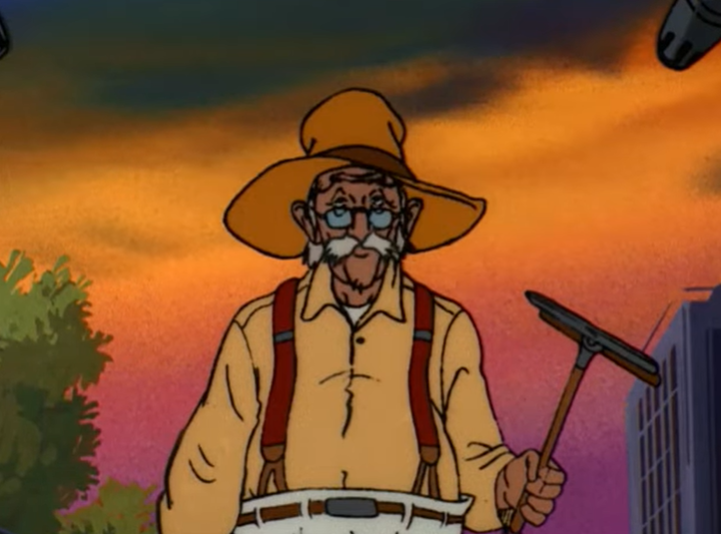
But what’s fascinating in retrospect is how the episode plays with tension and expectation. For all its camp, “The Viper Is Coming” is a masterclass in misdirection. The team is prepared for a deadly assassin or biochemical weapon—but the episode’s punchline reveals that the “Viper” is just a window washer with a thick accent (“I come to vipe the vindows”). It’s a pun—an over-the-top dad joke—turned into 22 minutes of escalating misadventure.
As a kid in the 1980s, this was the kind of humor that either left you in stitches or scratching your head. For many, it was their first encounter with the concept of anticlimax used intentionally. In a world where cartoons were formulaic and villains were easy to identify, “The Viper Is Coming” offered something rare: surprise. Not in the form of a dramatic twist, but in the form of absurdity.
Looking back as an adult, this episode serves as a quiet rebellion against the standard tropes of Saturday morning action cartoons. It reminds us that even in a universe of laser guns, ninjas, and mind control devices, the creators could still take a moment to laugh at themselves—and at the very structure they had built.
What also stands out is how the Joes respond to the threat. Their reactions—full-blown operational mobilization—mirror how adults often overreact to ambiguous information, letting assumptions snowball into hysteria. It’s satire, whether intentional or not. The episode quietly pokes fun at military intelligence, paranoia, and the tendency to leap before looking.
But beyond the punchline, “The Viper Is Coming” holds a nostalgic power. It’s a reminder of a time when cartoons weren’t afraid to experiment, when they could be silly without sacrificing identity. It reflects the creative freedom the writers had during the golden age of animation, and how that freedom sometimes produced episodes that defied logic but remained lodged in our memories forever.
Today, fans of the original G.I. Joe series look back on this episode with affection. It’s become a cult classic—not because it showcases Cobra’s deadliest plot, but because it dared to zig when everyone expected it to zag. It reminds us that even elite commandos sometimes chase ghosts… only to find out they were chasing window washers all along.